


HUMAC® – long-term solution for remediation of contaminated soils
Soil can be contaminated by many different human activities when hazardous substances are not used, stored or disposed of safely. Cases of soil contamination are most common in urban areas and former industrial sites, where production itself, industrial landfills, waste disposal and excessive use of pesticides or mineral fertilizers may have contributed to the contamination.
Soil remediation is a viable, safe and sustainable alternative that restores the quality of polluted soil by regenerating it. Remediation of extensively contaminated soils is necessary to restore the functionality and health of the soil. Conventional remediation methods require extensive removal of contaminated soil from the area or costs associated with phytoremediation. Both of these methods put the land out of production for a certain period of time and can be financially expensive.
However, there is an innovative method of in-situ remediation of contaminated soils through the application of activated natural humic acids contained in the Slovak product HUMAC® Agro.
The goal of humic acid remediation is to block the transfer of heavy metals and other toxins from soil to plants while keeping the soil productive and even increasing its fertility, thereby increasing agricultural yields and producing healthy food.
How can humic acids bind dangerous substances?
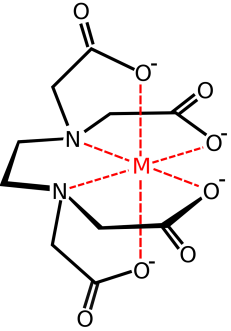
Humic acids are one of the strongest chelating natural substances with the ability to bind heavy metals and toxins in chelate bonds and thus prevent their further penetration into the components of the environment. Heavy metals and dangerous organic substances bound in the structure of large humic acid molecules lose their mobility and thus have a reduced ability to penetrate further into the food chain, which was also proven by our experiments with various crops grown on contaminated soils.
Humic acids are known for their ion exchange capacity and adsorptive properties, which make them optimal scavengers of contaminants in the soil, and they also have the added benefit of stimulating soil fertility. They reduce toxicity by absorbing heavy metals (such as Cd, Pb, Cu, Zn, Ni, As). In addition, organic pollutants such as PAHs and PCBs, pesticides and viral particles have a high affinity for humic acids.
Humic acids
Humic acids are complex polymer molecules that were created by the biological and chemical decomposition of organic substances (mainly plants) lasting millions of years with the access of water and air and the synthetic activity of microorganisms. They occur naturally in soil, mud, peat, water, and in greatest concentration in oxyhumolite, also known as leonardite.
There are various leonardite mines in the world, but since humic acids are among the strongest natural chelating substances with the ability to bind heavy metals in their structure, these deposits are often contaminated with exceeding toxic heavy metal contents. Such leonardite deposits are not suitable for mechanical extraction of humic acids and chemical treatment is required to separate these heavy metals.
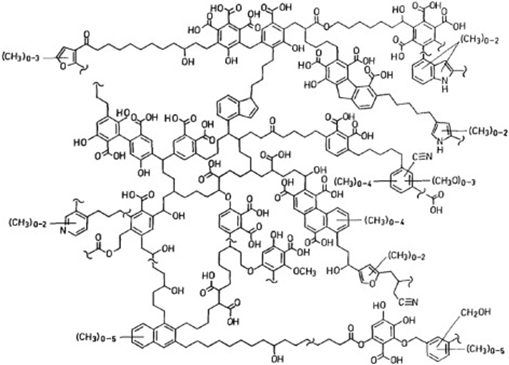
Natural humic acids
As their name suggests, they are natural – without any chemical treatment. They are mechanically extracted from leonardite and exhibit the natural property of being insoluble in water. Due to their organic nature, they have high bioavailability for soil and living organisms. They remain in the soil for a longer period of time, during which their benefit is delivered continuously.
Humic acids salts
Humic salts are obtained by chemically extracting humic acids using strong alkaline substances such as sodium hydroxide, potassium hydroxide or ammonia water. The result of such a process is humate salt, also called sodium humate, potassium humate and ammonium humate. They are therefore an inorganic (chemical) substance with short-term effects and lower biological efficiency.
Many manufacturers choose to use humic salts, as the cost of their production is significantly lower and their microbiological stability is higher (since it is not a natural, but chemically obtained substance). By changing natural humic acids to humic salts, their purity and solubility in water will increase, but at the same time all their natural positive effects will be reduced or almost completely eliminated.
That is why we at HUMAC s.r.o. they chose other procedures that not only preserve the natural effects of humic acids, but also multiply them. The natural humic acids in our preparations come from one of the highest quality leonardite deposits in the world, which have not been contaminated with heavy metals. All products contain a high amount of natural, chemically unprocessed humic acids, min. 40% (m/m), which have strong detoxification effects and the capacity to add missing minerals and trace elements to living organisms.
Activation of natural humic acids
We process mined leonardite with our own technological process, the so-called activation in order to increase the natural effects of natural humic acids. The activation process is preceded by the so-called ripening, during which the proportion of oxidized functional groups in humic acid molecules increases, thereby increasing the amount of active sites in the molecule. Reactions, binding and other processes that define the effectiveness of humic acids can subsequently take place in these places. In the next process of activation grinding, a sufficiently large active surface is created and the particle size is adjusted, which further increases the efficiency and improves the stability of the processed material.


Due to the high content of functional groups and active sites in the structure of humic acids, the material treated in this way shows higher reactivity and the ability to create a large number of chemical bonds and interactions, which strongly absorbs heavy metals and various organic toxins in its structure. The formation of various chemical bonds leads to the solid binding of contaminants to humic acids and the creation of resistant structures that show high stability and resistance. Thanks to this, contaminants are bound in the structure of humic acids for a long time.
In remediation experiments, it was shown that activated humic acids stabilize contaminated soils without the need to decommission arable land.
Numerous tests have shown how the application of activated natural humic acids (HUMAC® Agro) significantly reduced the intake of toxins (organic or inorganic) by crops and also significantly reduced their bioavailability in the soil. Activated humic acids belong to a new generation of solutions for effective in-situ as well as ex-situ soil remediation. In addition, natural humic acids have virtually no toxicity and support various mechanisms necessary for the growth of healthy vegetation and fertile soil.
HUMAC® Agro can be incorporated into the process of soil reclamation after mining activity or re-vegetation of ash heaps, tailings ponds or other ecologically hazardous sites.
HUMAC® Agro – organic soil adjuvant developed for soil recovery
HUMAC® Agro, which preserves the original molecular structure of natural humic acids, but in an activated form, has the potential to remediate soils contaminated with various heavy metals and toxins based on the above mechanisms of action.
HUMAC® Agro has a harmonizing effect on the soil because it restores the conditions for the normal functioning of natural chemical and biological processes that keep the soil healthy and fertile.
This natural solution brings many benefits:
- strongly binds contaminants to its structure and does not release them for hundreds of years;
- thereby reducing the content of various contaminants in the soil by 50 – 70 %;
- simple application (sprinkling) directly on the contaminated area;
- the activated substance is highly effective already at a dose of 3 t/ha;
- long-term action;
- reduced costs;
- improvement of the physical and biological properties of the soil;
- better control of erosion processes;
- a number of secondary benefits such as improved soil structure, optimization of soil pH, increased soil water retention, reduction of the risk of erosion and an increase in the proportion of organic matter in the soil, including the supply of all micro, macro and trace elements as well as amino acids
By applying 3 000 kg/ha of HUMAC® Agro, it is possible to bind 50 – 70 % of contaminants in the soil, which prevents their penetration into the components of the environment..
The product is harmless from the point of view of health and safety of people and animals, as well as from the point of view of impact on the environment. The product has an acceptable risk for bees (no negative impact on bee colonies) and no protection period (production from treated areas can be consumed immediately).
In recent years, HUMAC® Agro has gained attention for its proven effectiveness in many environmental applications, such as tree planting and forestry, landscaping, restoration of degraded soils, as well as stabilization and remediation of contaminated soils or soil reclamation and other applications.
Efficiency in the immobilization of heavy metals
Molecules of humic acids (HA) are ion exchangers, the basic function of which is to exchange ions of lower molecular weight with ions of higher molecular weight. For example, looking at Mendel’s periodic table of elements, HA in soil will release Mn with a mass of 54 and bind Cd with a mass of 112 with an estimated immobilization of thousands of years. The bound heavy metal in relatively stable complexes remains in the environment, its immobilization (binding in the environment) can only be measured by leaching in an aqueous solution. Regarding their adsorption properties, in an in vitro study carried out in 2017 by Klučáková and Pavlíková, it was shown that the adsorption efficiency of HA was demonstrated for heavy metals such as Cu (94.4%), Cd (90.3%), Pb (92 .8%) and Zn (92.0%).In the spring of 2018, a controlled experiment was launched to evaluate strawberry fields enriched with the preparation HUMAC® Agro in the amount of 500 kg/ha compared to strawberry fields without this preparation. The planting of 2.5 ha of strawberries of different varieties was based on a field that had previously grown barley, sunflowers and soybeans. The last two rows were reserved for the control group (without HUMAC® Agro). Already in the first year, a higher yield of about 29% was observed during the harvest. Subsequently, in cooperation with NPPC-VÚA Michalovce, Slovakia, the fruits were subjected to analysis in order to determine the content of selected heavy metals. The content of lead in fruits grown on soil treated with HUMAC® Agro was lower by 57% compared to the control. The cadmium content was lower by 24%, arsenic by 25% and mercury by 8%.
| Parameter | Control | HUMAC® Agro | Unit | Change of heavy metals |
| Mercury (Hg) | 2.8 | 2.5 | µg/kg | – 8.3 % |
| Cadmium (Cd) | 9.5 | 0.011 | µg/kg | – 24.2 % |
| lead (Pb) | 71.4 | 30.7 | µg/kg | – 57.0 % |
| Arsenic (As) | 16.2 | 12.1 | µg/kg | – 25.3 % |
In 2020, part of the land on the farm in Rozhanovce was treated with the product HUMAC® Agro in the amount of 500 kg/ha. Potatoes were planted on this land in the spring. Potatoes were also planted in the control section, where the soil was not treated with the product HUMAC® Agro. In autumn, after harvesting, the potatoes were subjected to a chemical analysis, which showed a reduction of cadmium content by 50% and lead by 16% in potato tubers grown on soil treated with HUMAC® Agro.
| Parameter | Control | HUMAC® Agro | Unit | Change of heavy metals |
| Lead (Pb) | 19 | 16 | µg/kg | – 15.8 % |
| Cadmium (Cd) | 22 | 11 | µg/kg | – 50.0 % |
Efficiency in the immobilization of PCB substances
Another class of major pollutants are dioxins and dioxin-like compounds, such as polychlorinated biphenyls (PCBs), which belong to the category of persistent organic pollutants (POPs) that degrade slowly in the environment. Exposure to PCBs in the environment often occurs through the spread of pollution from previously released PCBs. Spreading occurs by evaporation from water into the atmosphere with subsequent transport in the air and dry or wet fall of PCBs and their re-evaporation. Contamination of the environment with these products has created a new significant group of solid PCB materials (contaminated soils, sands, sediments, or industrial wastes), the decontamination or disposal of which causes problems due to the persistence of PCBs against most destructive processes normally occurring in the ecosystem, e.g. photolytic and microbial (especially aerobic), especially in the case of higher chlorinated PCBs.
The mechanism by which humic acids interact with dioxins and PCBs is derived from a comparison of the molecular structures of these substances. Large molecules of humic acids (2000-200,000 Da) as powerful ion exchangers bind small molecules of dioxins and PCBs (0-20 Da) in their structure and degrade them in the environment.In 2020, an experiment was conducted with the purpose of verifying the immobilization effect of HUMAC® Agro on the main ex-situ PCB congeners. Kochlík’s experiments showed that humic acids applied to contaminated soils reduced the content of PCB substances in tubers by 73% and leaves by 33% of sown radish, while at the same time they were able to significantly reduce the content of PCB substances released from the soil into the soil leachate by almost 50%.
| Material | Control | HUMAC® Agro | Unit | Change of PCBs |
| tubers | 15.15 | 4.06 | µg/kg | – 73.2 % |
| leaves | 10.27 | 6.87 | µg/kg | – 33.1 % |
| soil | 0.549 | 0.278 | µg/kg | – 49.4 % |
The total content of PCB congeners was reduced in the tuber by 29.40% to 73.20% compared to the control variant. In leaves, this reduction ranged from 23.02% to 61.71%. At the same time, the content of PCB congeners released from the soil into the soil leachate decreased by 32.24% to 49.36%.
Application possibilities
HUMAC® Agro are 6-8 mm pellets that can be applied using standard fertilizer spreaders, providing precise dosing and application over large areas.
In inaccessible terrains, it is possible to use the application using suspended spreaders under helicopters or using drones. Aerial sprinkling is more effective than ground sprinkling and it is possible to transfer the application in a short time to large areas with difficult to access terrain (forests, rocky areas).
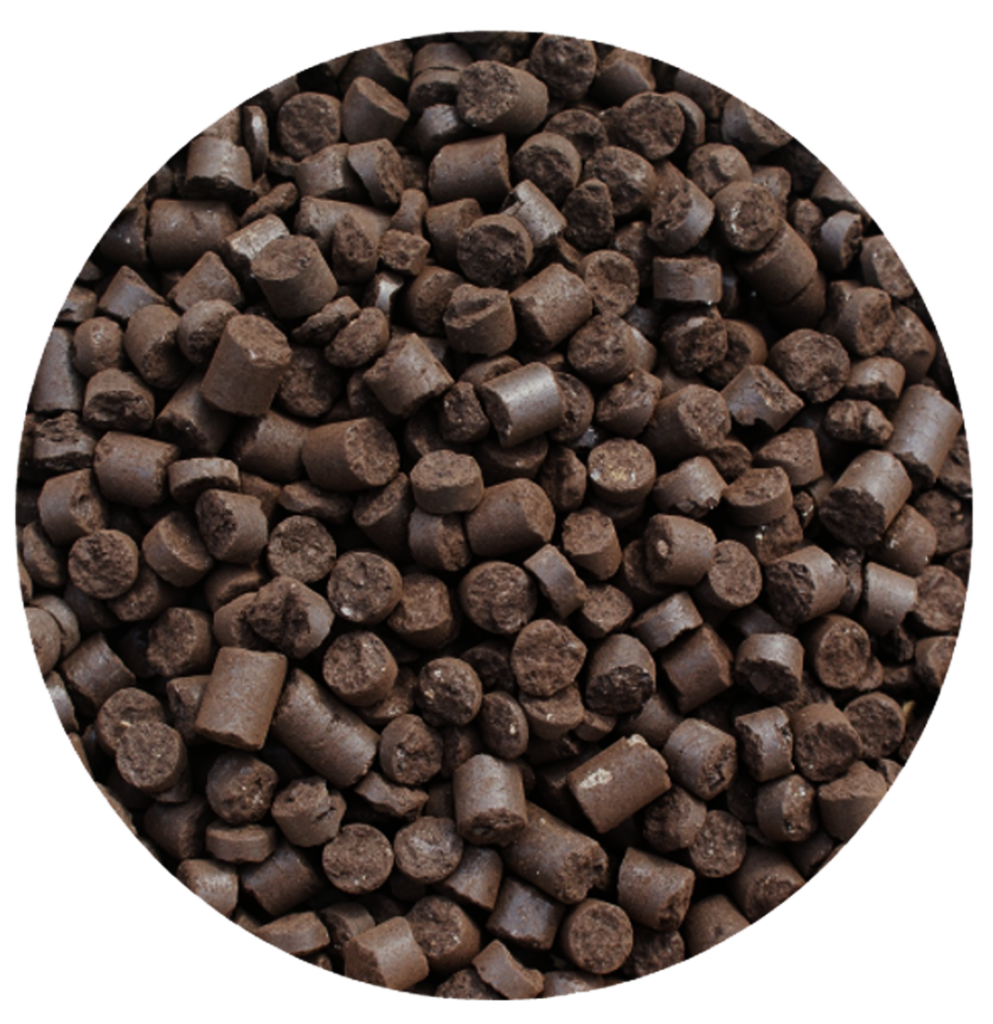
HUMAC® Agro pellets quickly disintegrate after hitting the soil and weather conditions (rain, wind,…) and the humic acids gradually begin to penetrate the soil, where they begin to act immediately. Incorporation into the upper layers of the soil using agricultural machinery (if possible) will help speed up the action.
Humic acids in the soil reach the deeper layers of the soil within 2 to 3 years, or they become embedded in the soil structure. Therefore, it is advisable to repeat the application after a certain time.
HUMAC® Agro works in the soil for several years and we recommend repeating its application every 3 – 4 years.
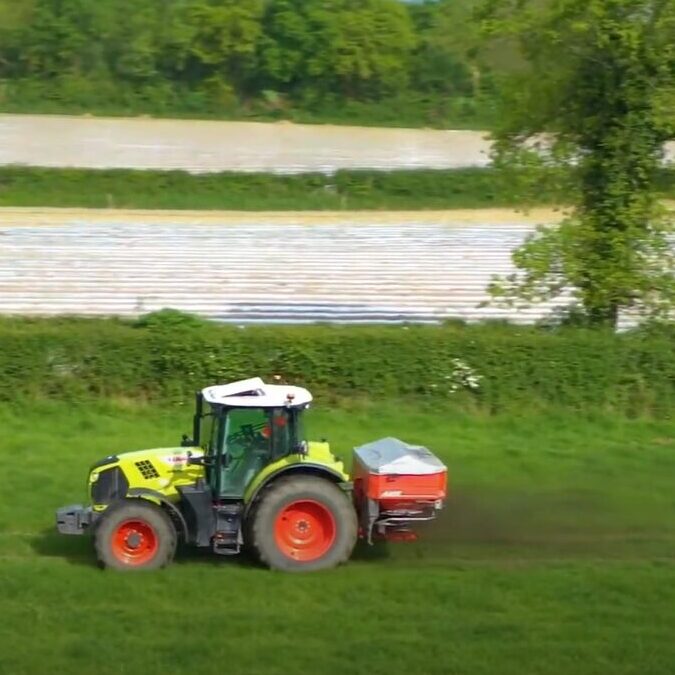
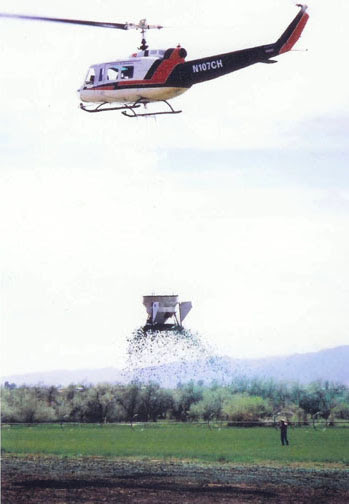
Application of the preparation has no temperature restrictions and can therefore be applied all year round. Can be used against various types of heavy metal or other toxic contamination in virtually any environment.
Methodology of measurements before and after application
Taking soil samples is one of the most important parts of the entire process of determining soil contamination, as it is a trace amount of contaminants in the soil matrix. It is very likely that the contaminant may not be distributed regularly in the sampled location, both horizontally and vertically. The concentration of the contaminant also depends on the type of soil and its solubility in water.
From agricultural plots, it is advisable to take samples from at least 30 different locations evenly distributed over the entire area of the plot. The depth to which the soil sample is taken depends on the nature of the land and varies from 15 cm to 40 cm (it is most convenient to take a soil sample up to 25 cm, while the upper layer, if it is overgrown with grass, for example, is not included in the sample). A suitable amount of soil for further testing is approximately 10 kg.
Obtained soil samples will be subjected to standard analysis to determine the nature and concentration of contamination.Subsequently, the so-called leaching experiments with the addition of HUMAC® Agro to determine the appropriate dose to most effectively reduce the given contamination in the soil.
Scheme of leaching experiment:
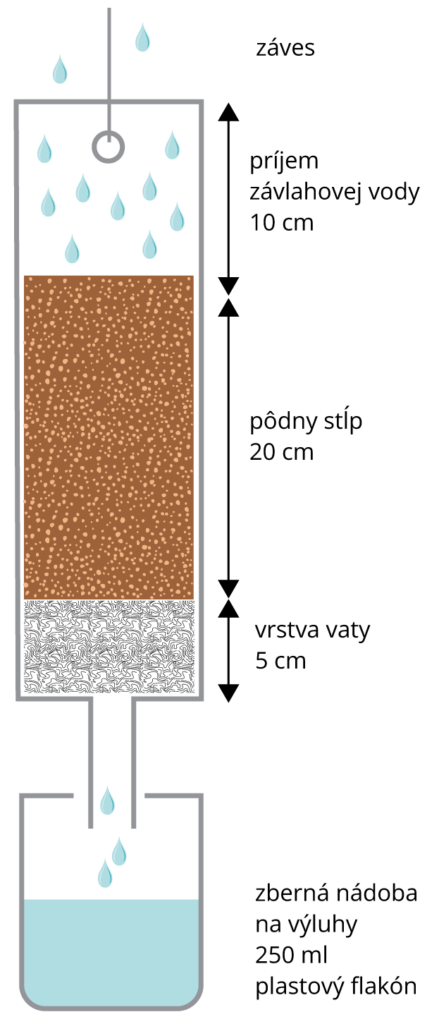
In a leaching experiment, a soil sample is placed in a tube terminated with a bottom discharge valve. The soil sample is then watered with distilled water from the top for several days to weeks, so that it does not dry out. The water that flows through the soil and carries the contamination with it is captured in a collection container and subsequently analyzed to determine the concentration of contaminants. In this way, it is possible to determine which contaminants and in what quantity are firmly bound in the soil and thus cannot pollute the environment or groundwater.
Leaching experiments are more suitable for the analysis of immobilization of contamination in the soil, as they demonstrate the amount of contaminant that remains firmly trapped in the soil (humic acids) and thus does not reach the surrounding environment.
In the standard determination of heavy metals in the soil, the analysis is preceded by the extraction of these metals using strong extraction agents (nitric acid, royal jelly, …), which have the task of releasing all contaminants from the soil, whether they are firmly bound in the structure or not.
Research and publications
Reduction of plant contamination by PCB substances in the vicinity of Strážský
(Verification of the immobilization effect of differentially activated humic acids on the main congeners of PCB substances ex-situ)
PCB substances (polychlorinated biphenyls) have been causing problems in the vicinity of the former chemical plant Chemko Strážske for several years. Originally they were considered completely harmless, but today they are among the 12 substances that the world community considers so dangerous that they should be eliminated from the ecosystem.
Similar to other industrialized countries, the environment was contaminated with PCB substances in Slovakia as a result of the long-term and relatively large-scale industrial application of these substances (or their mixtures), even though the consequences of their entry into the ecosystems.
Contamination of the environment with these products has created a new significant group of solid PCB materials (contaminated soils, sands, sediments, or industrial wastes), the decontamination or disposal of which causes problems due to the persistence of PCBs against most destructive processes normally occurring in the ecosystem, e.g. photolytic and microbial (especially aerobic), especially in the case of higher chlorinated PCBs.
Directly in the plant, but also in its surroundings, there are still a lot of barrels with PCB substances, which, however, are already disintegrating and thus these substances get into the environment. They are carried by the water and blown by the wind to a wide area.
In 2020, the National Agricultural and Food Center – Research Institute of Agroecology (NPPC – VÚA Michalovce) conducted experiments to verify the immobilization effect of differentially activated humic acids on the main ex-situ PCB congeners.
This research resulted from the Program Statement of the Government 2020 – 2024 states that the Government of the Slovak Republic will make maximum efforts to eliminate environmental burdens, especially those with the highest priority for solution, where one of the three directly named is “… disposal of PCB substances, heavy metals and remediation of the adjacent territory on eastern Slovakia, in the vicinity of Strážské…”.
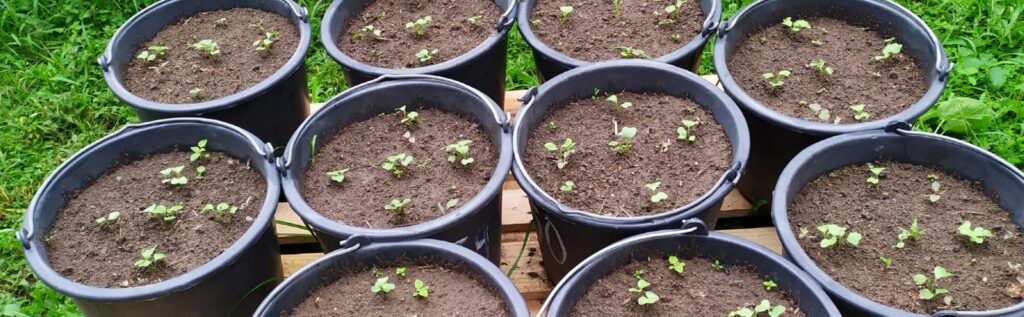
In an orientation vessel experiment, it was checked whether it is possible to reduce the contamination of the crop with PCB substances. It was a vegetation ex-situ screening of the immobilization effect of differentially activated humic acids on the main PCB congeners in the soil. In the experiment, the soil was contaminated with sediment obtained in the vicinity of the Chemko Strážske plant.
The application of HUMAC® Agro significantly reduced the content of PCB substances in tubers and leaves of sown radish, while at the same time they were able to significantly reduce the content of PCB substances released from the soil into the soil leachate.
It was found that humic preparations applied in an ameliorative dose significantly reduced the content of PCB substances in tubers and leaves of sown radish, while at the same time they were able to significantly reduce the content of PCB substances released from the soil into the soil leachate. The total content of PCB congeners (28, 52, 101, 138, 153 and 180) was reduced in the tuber by 29.40 to 73.20% compared to the control variant. In leaves, this reduction was in the range of 23.02 to 61.71%. At the same time, the content of PCB congeners released from the soil into the soil leachate decreased by 32.24 to 49.36%
PCB substances were also found in eggs and chicken
In 2021, we obtained a hen and eggs from a village near the former Chemko Strážske chemical plant, which we subjected to analysis to determine the value of PCB substances. The content of PCBs related to dioxins was 0.9505 pgTEQ/g fat in chicken and 1.241 pgTEQ/g fat in eggs. These values do not exceed the maximum PCB values defined by EU Commission Regulation No. 1259/2011. The amount of non-dioxin-like PCBs was determined in the hen at 53.123 ng/g of fat and in the eggs even 70.950 ng/g of fat, which exceeds the maximum PCB values defined by EU Commission Regulation No. 1259/2011 set at 40 ng/g of fat.
Reduction of copper and mercury concentration in contaminated soils
The work from 2016 summarized the monitoring of 9 areas in the Middle Spiš in the vicinity of Rudnian – Gelnice. The concentrations of copper and mercury and soil pH were determined in samples of aqueous soil extracts. Subsequently, 2% HUMAC® Enviro was added to these aqueous extracts and analyzed again after 5 days. The work tested a modified product, HUMAC® Enviro, which was derived from the product HUMAC® Agro. However, the composition of this product did not show significantly better effects compared to HUMAC® Agro, and therefore its production was not started.
The concentrations of copper in the individual water extracts exceeded the permitted limits and decreased by 35% after the application of HUMAC® Enviro. The amount of mercury in the water extracts also exceeded the permitted limits, but a decrease after the application of HUMAC® Enviro occurred in only two cases.
More information in Fazekasova-2016-The Effect of Natural Substance HUMAC Enviro on Reducing the Concentration of Copper and Mercury in Contaminated Soils
Case studies
Preventing the spread of sludge from the tailings of the aluminum smelter in Ajka, Hungary
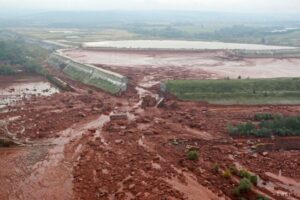
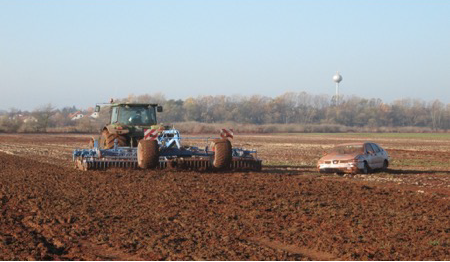
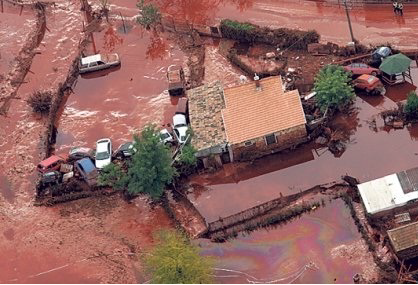
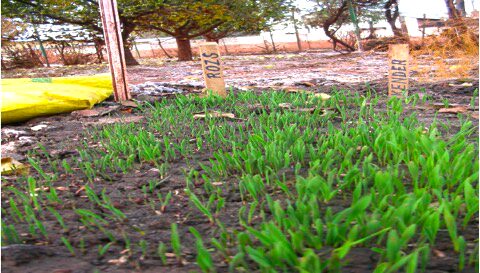
Humic acids in the form of leonardite were used to solve the disaster when the tailings dam broke in western Hungary on October 4, 2010, and toxic red sludge flooded the villages of Kolontár, Devecser and Somlóvásárhely. The disaster claimed ten lives and more than 200 people were injured. Roughly 400 houses and the entire ecosystem of the Marcal River were destroyed.
A large amount of waste from Bauxite mining spilled into the surrounding area. This waste contained high amounts of dangerous contaminants, such as oxides of iron, aluminum, titanium, etc., but mainly it was highly alkaline with a pH higher than 13 (as it contains residues of the sodium hydroxide extraction agent). After the application of freshly mined Leonardite, which contains natural humic acids, the pH value of the soil dropped to an acceptable 7.5 after 24 hours. Even a few days after the application, test crops were sown on the treated soil, which germinated without any major problems. In a study carried out in connection with the disaster in Hungary, the binding capacities of humic acids for some metals were determined. It is 98% for iron and lead, 95% for copper, 75% for cadmium and 70% for nickel.
Within 24 hours of applying HUMAC® Agro, the pH dropped from 13 to an acceptable 7.5. And within a few days, the test crops germinated on the treated soil.
Reclamation attempt at the iron ore dump in Nižná Slaná
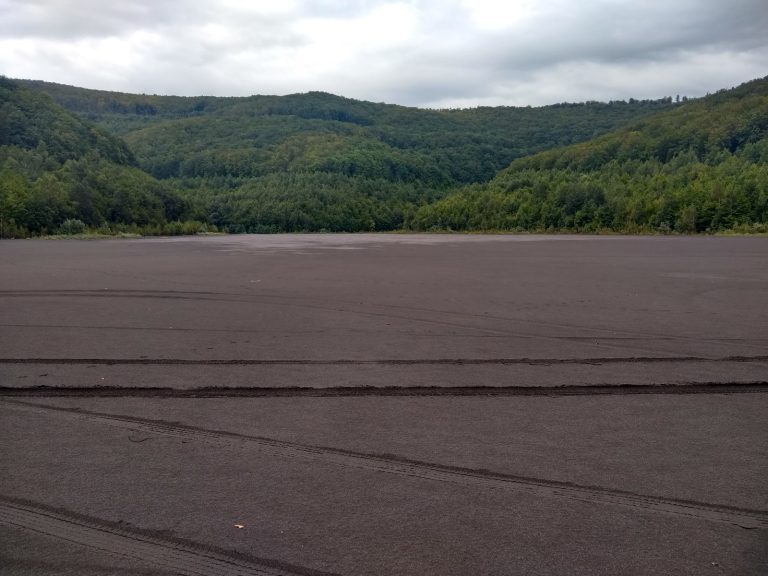
The Nižná Slaná landfill is located on the northeastern side of the village of Nižná Slaná in the hills directly above Etelka Huta and contains waste from ore processing in the region and, according to estimates, reached a volume of almost 5.5 million. m3. In the past, several experiments have been conducted to see if it is possible to cover the area with vegetation, but due to the large amount of toxins in the soil, these attempts were largely unsuccessful.
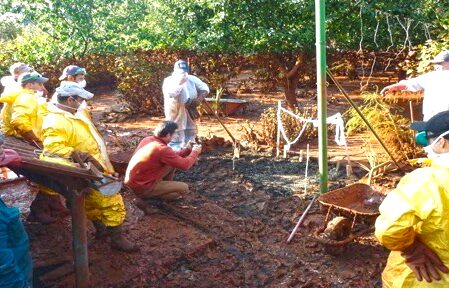
Our colleagues asked the mayor if they could test our HUMAC® Agro product based on humic acids on site and see if there would be any reaction. A month later, visible changes were observed, such as the growth of grass and a change in the structure of the soil.
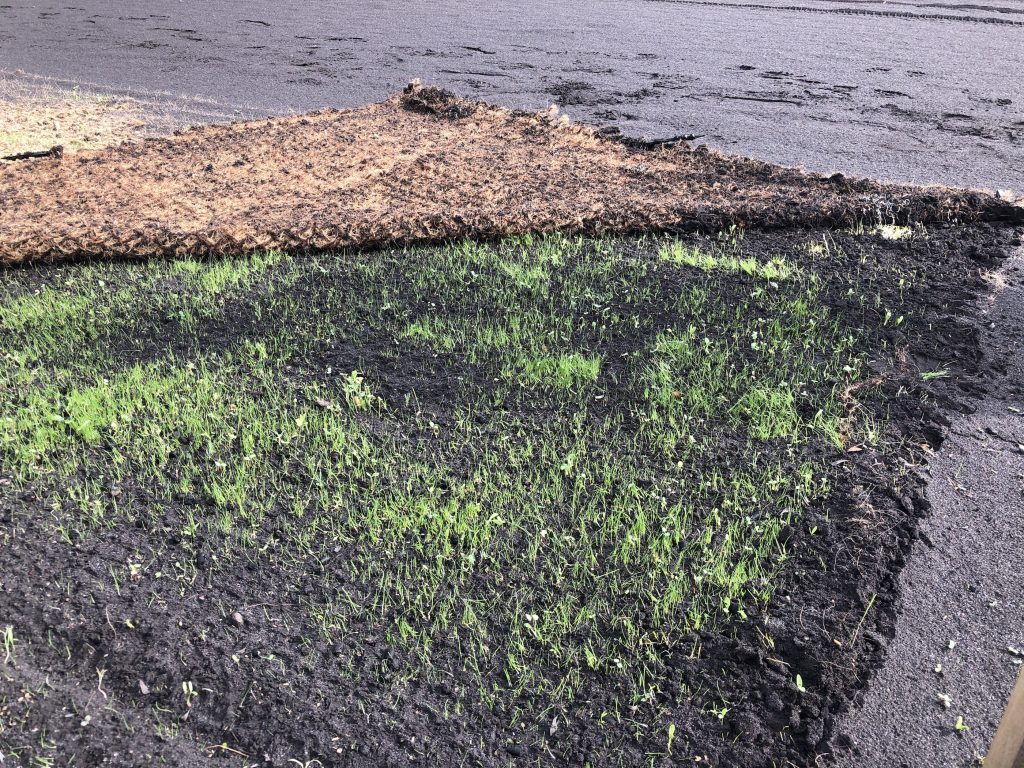
Soil samples were also analyzed and the results showed a significant decrease in the concentrations of monitored elements: mercury (Hg) by 76.5%, cadmium (Cd) by 64.0%, arsenic (As) by 71.6%.
| Parameter | Controla | HUMAC® Agro | Unit | Change of heavy metals |
| Arsenic (As) | 1907.0 | 542.5 | mg/kg | – 71.6 % |
| Cadmium (Cd) | 0.267 | 0.096 | mg/kg | – 64.0 % |
| Lead (Hg) | 2.354 | 0.554 | mg/kg | – 76.5 % |
One month after the application of HUMAC® Agro, visible changes were observed, such as grass growth and a change in soil structure. Soil analysis showed a decrease in heavy metals of approximately 75%.
Reclamation of forest stands
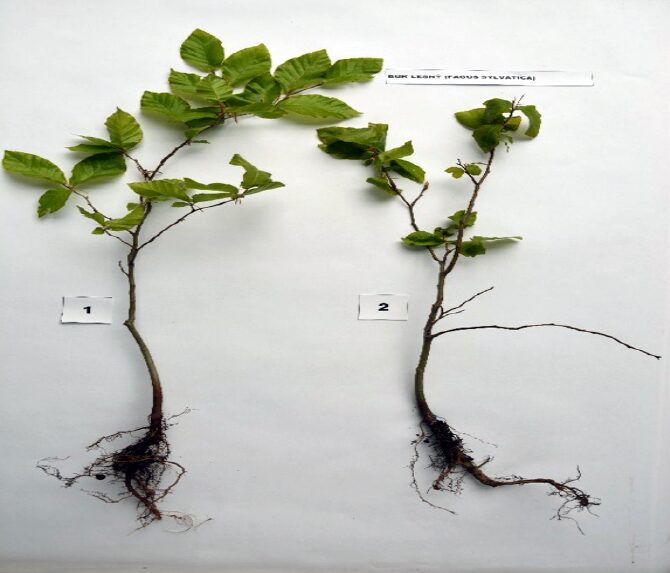
n the spring of 2019, two test plots were established in the Teplý Vrch and Oravice locations on clear-cut areas as a result of previous mining. The aim of the experiment was to monitor the germination, development of the root system and the quality of the above-ground parts of trees of various species with the application of HUMAC® Agro and without application for the control group. The results were compared one year after planting.
European beech (Fagus sylvatica), germination with HUMAC® Agro was 95-100% compared to 80% germination in the control group. The seedlings had a well-developed root system with many lateral roots and capillaries. The trunk was visibly thicker and the aerial part was larger with more leaves.
Pedunculate oak (Quercus robur), germination with HUMAC® Agro was 85% compared to 60% germination in the control group. The seedlings had a richer root system with many lateral roots and capillaries. The trunk was visibly thicker and the seedlings were more vigorous.
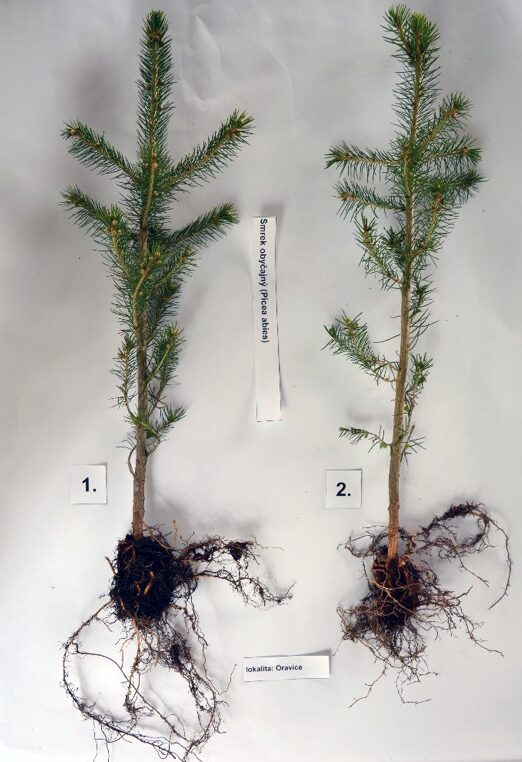
Norway spruce (Picea abies), germination with HUMAC® Agro was approximately the same as in the control group, at the level of 90%, and overall both seedlings showed only small differences in the above-ground and underground parts.
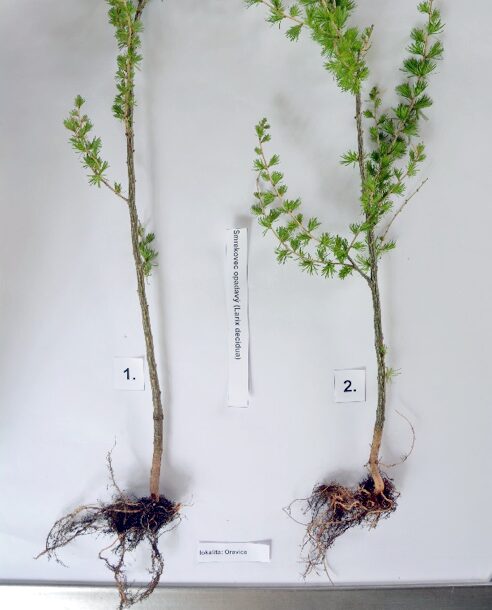
European larch (Larix decidua), germination with HUMAC® Agro was 50% compared to 35% germination in the control group. And the seedlings had a larger root system, a visibly thicker trunk and richer foliage.In the case of deciduous trees where the HUMAC® Agro product was used, the seedlings of forest trees in both locations appear more vital after the first year of growth, i.e. the root system is larger due to the improved ability to retain water, the tree is better nourished, which is visible in the thickening of the trunk. When comparing the seedlings of conifers after the first year of growth, there are no significant differences, especially for Norway spruce and deciduous spruce at the Oravice location. We do not know the cause of the low germination rate of Douglas fir on the test plot when HUMAC® Agro was used.
The planting of forest stands is influenced by many factors and these cannot be excluded in a living ecosystem. HUMAC® Agro creates conditions for forest tree seedlings to better withstand stressful situations after planting and provide better conditions for faster tree growth.